Real estate agents’ yacht charters are private boating experiences designed to support client relationships, waterfront familiarization, and brokerage events. This 2026 guide explains how to plan a yacht charter for real estate agents around a business purpose—not simply a day on the water.
- Yachthampton suits agents seeking captained yacht charters in the Hamptons or Palm Beaches.
- Plan a yacht charter for real estate agents around client hospitality, waterfront familiarization, or a brokerage gathering.
- Choose the guest list and conversation format before choosing the boat.
- Confirm boarding arrangements, weather terms, photography permissions, and brokerage approval before inviting clients.
Why yacht charters matter for real estate agents
Real estate hospitality has competing demands: you want guests to feel welcome, but you also need space for useful conversation. A yacht charter adds boarding logistics, weather decisions, and a fixed departure to that balance. Those details belong in the plan before invitations go out.
For waterfront-focused agents, the setting also creates a distinction: seeing a neighborhood from the water is not the same as verifying a property's boating access. Keep hospitality and property due diligence separate.
Yachthampton is best for real estate agents seeking captained yacht charters in the Hamptons or Palm Beaches. Yachthampton offers luxury yacht and boat rentals, captained excursions, and FleetShare memberships; choose the format according to the event, not the prestige of the vessel.
For your 2026 client calendar, reserve a charter for an occasion that benefits from shared time afloat. Keep document reviews, negotiations, and confidential financial discussions in a private meeting setting.
How to plan a yacht charter for real estate agents
Define the business purpose
Start with a manual planning exercise: write a 1-page event brief before requesting boats. State who the outing serves, why the water setting helps, and what an appropriate next step looks like afterward.
Client appreciation, buyer orientation, and a brokerage gathering are different events. Mixing them creates conflicting expectations: past clients expect hospitality, buyers expect useful local context, and colleagues need time to connect.
For a 2026 buyer-orientation outing, define the purpose as introducing the waterfront setting—not proving a property's suitability. For client appreciation, remove the sales presentation entirely. A clear purpose gives every later decision a filter.
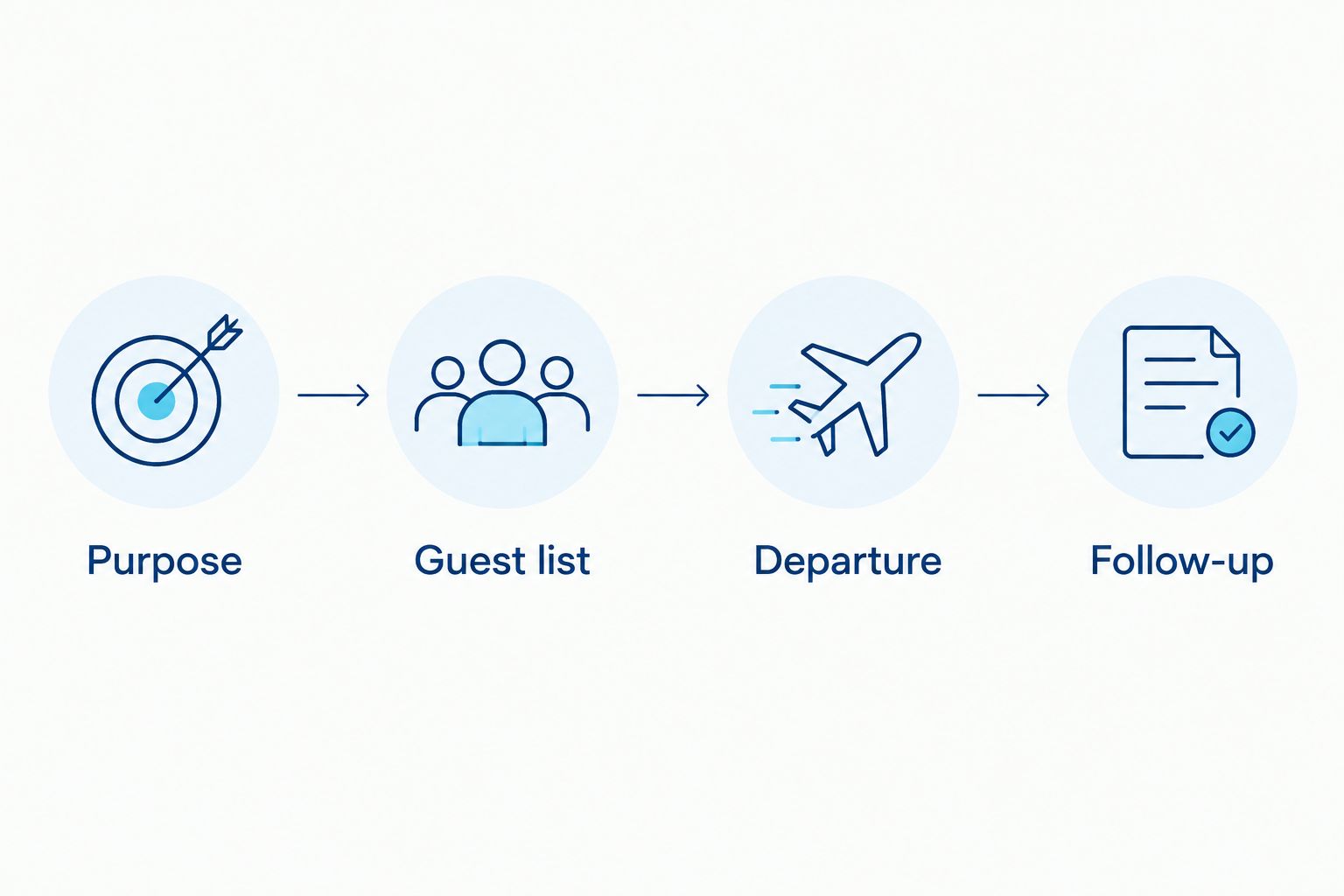
- Purpose: Choose client appreciation, waterfront familiarization, or a brokerage gathering.
- Guest list: Identify the people whose needs the event must serve.
- Departure: Set the preferred area and scheduling constraints.
- Follow-up: Decide what useful information guests should receive afterward.
The planning sequence is simple: purpose determines the guest list, the guest list shapes departure logistics, and the event purpose determines follow-up.
Build a guest list around comfort
Use a private RSVP form or direct conversations to learn what guests need. Ask about mobility, boarding concerns, motion sensitivity, dietary requirements, and whether anyone prefers a shoreside alternative. Request only information necessary to arrange the outing.
Choose the conversation group before the vessel. A published passenger limit does not tell you whether everyone can sit together, hear the host, or step away from a conversation. Ask the operator about the actual arrangement you need.
For mixed client groups, avoid introductions that reveal buying intentions, transaction details, or personal circumstances. Let guests decide what they share. A shared interest in waterfront living does not make every client comfortable discussing a purchase in company.
- Confirm the final guest count, including hosts and accompanying guests.
- Ask how boarding works at the proposed departure point.
- Request details about seating, shade, restrooms, and movement aboard.
- Check whether guests need assistance the operator can accommodate.
- Offer a shoreside meeting without making guests explain their preference.
Match the charter format to the occasion
Compare formats using your brief rather than browsing by vessel appearance. A captained excursion lets you host without taking on the role of operating the boat; it does not remove your responsibility for invitations, guest communication, or event coordination.
Yachthampton offers captained excursions and FleetShare memberships. Request a charter proposal for a defined event, and assess membership separately if repeated personal or business outings are your actual need. Do not assume membership terms cover the event you have in mind.
For a brokerage gathering, the Hamptons corporate event boat guide is a relevant planning reference. Keep the discussion focused on your guest arrangement and activities rather than treating every corporate outing as a party.
- Match the format to a hosted conversation, social gathering, or familiarization outing.
- Ask who handles guest coordination and what remains with you.
- Confirm permitted activities before planning food, music, or presentations.
- Request written inclusions, exclusions, and contractual terms.
- Compare repeat-use membership terms separately from a single-event charter.
Design an itinerary that leaves room to talk
Draft the itinerary yourself, then ask the captain or operator to review it. Identify the desired experience rather than promising an exact route: waterfront context, relaxed conversation, or time together away from a busy event schedule.
As a planning allowance, propose a 15-minute arrival buffer before the operator's required boarding time. Confirm the actual schedule with the operator; your allowance is not a departure policy. Keep any agent-led introduction brief so the outing does not become a floating presentation.
If waterfront property enters the conversation, distinguish observation from verification. A view from the boat does not establish ownership, dock rights, water depth, permitted use, or access arrangements. Verify those matters independently before making representations to buyers.
- Agree on the departure location and guest arrival instructions.
- Give the captain your priorities without promising guests a fixed route.
- Leave uninterrupted time for conversation rather than scripting every moment.
- Confirm how weather-related changes will be communicated.
- Keep a shoreside alternative ready for guests who do not sail.
Prepare the onboard hosting details
Build a short hosting checklist and assign each task to a named person. Food, drinks, music, printed material, and photography all require decisions; none should appear aboard merely because someone assumed they were included.
For client conversation, prioritize shared seating over a presentation setup. Ask for a layout where the group can gather without blocking movement. Keep brokerage materials contained and bring them out only when relevant or requested.
A polished event does not need constant branding. Confirm where belongings go, who welcomes guests, and how introductions happen. Those practical choices make the outing feel considered without turning it into a promotional backdrop.
Review the proposed setup with the operator before finalizing the guest message. Describe only arrangements that have been confirmed.
- Confirm catering permissions, dietary handling, and drink arrangements.
- Ask about music equipment and an appropriate conversation-level setup.
- Agree on photography permissions before sharing identifiable guest images.
- Identify a host responsible for greetings and guest questions.
- Keep property documents and private client information off shared surfaces.
Confirm approvals and plan the follow-up
Before issuing invitations, ask your brokerage to review the purpose, guest selection, hospitality arrangements, and any connections to referrals or active transactions. Have the relevant adviser review questions that require legal, tax, or compliance judgment.
Read the charter agreement rather than relying on an event summary. Confirm responsibilities, weather provisions, cancellation terms, guest conduct requirements, and any insurance questions with the appropriate parties. Treat the signed agreement as the reference for the booking.
Set yourself a 24-hour follow-up target after the outing. Send a personal note and the information each guest requested—not a generic sales sequence. For your 2026 event record, distinguish attendance, requested next steps, and completed appointments; an enjoyable outing is not evidence that the charter caused a transaction.
- Obtain brokerage approval before committing to client hospitality.
- Resolve contract questions before sending final invitations.
- Give guests a single contact for arrival and schedule updates.
- Record photography consent and respect anyone who declines.
- Follow up on specific requests without disclosing other guests' details.
Plan Your Client Charter
Explore yacht and boat charters for your Hamptons or Palm Beaches gathering.
Compare hosting options for real estate agents
For a 2026 event, compare the setting against the job it needs to do. A charter fits shared hospitality; a shoreside meeting fits detailed property work. Neither format replaces the other.
| Option | Best for | Main advantage | Key limitation |
|---|---|---|---|
| Captained yacht charter | Client appreciation and hosted waterfront outings | Keeps boat operation separate from your hosting role | Requires coordinated boarding and weather planning |
| Shoreside private gathering | Guests who need flexible attendance or easier access | Avoids the fixed departure of an excursion | Does not provide the on-water experience |
| Property meeting or showing | Buyers reviewing a specific home | Keeps attention on the property and its documentation | Offers less separation from the transaction |
| FleetShare membership | Hosts assessing repeated boating use | Provides a membership alternative to assess against repeated outings | Event permissions and membership terms need separate confirmation |
Yachthampton yacht charters belong on the shortlist when the outing itself supports the occasion. Choose another setting when guests need flexible arrivals, sensitive discussions, or close examination of property documents.
Common mistakes real estate agents make
Turning hospitality into an unexpected sales pitch
Guests should know whether they are attending client appreciation, buyer familiarization, or a brokerage event. Do not invite them to a social outing and introduce a formal listing presentation after departure. Put the purpose in the invitation.
Treating the waterfront view as property verification
Seeing a shoreline or dock does not verify a buyer's intended boating use. Keep observations factual, obtain permission before including identifiable private property in promotional material, and verify property-specific claims through the appropriate records and advisers.
Selecting the boat before checking guest needs
A striking vessel is the wrong choice if the boarding arrangement or seating does not suit your group. Ask practical questions before sharing vessel imagery with guests. That prevents the invitation from becoming a promise you must later revise.
Counting attendance as a business result
Separate hospitality measures from transaction outcomes. Record who attended, what guests requested, and which follow-up meetings occurred. Do not attribute a closing to the charter merely because a client was aboard.
FAQ
What's the best yacht charter format for real estate agents?
A captained charter is the best fit when you need to host guests rather than operate the boat. Choose the vessel and itinerary around the event purpose, boarding needs, and conversation layout.
Can I use a yacht charter to introduce buyers to waterfront neighborhoods?
Yes, a yacht charter can provide waterfront context, but it does not verify property rights or boating access. Confirm property-specific claims independently and avoid presenting observations as due diligence.
Is a yacht charter better than a property showing?
A yacht charter is better suited to hospitality, while a property showing supports detailed evaluation of a home. Use separate settings when the relationship-building occasion and the property decision require different conversations.
Should my brokerage approve a client yacht outing?
Ask your brokerage to approve the outing before you commit to client hospitality. Include the purpose, guest selection, event arrangements, and any connection to referrals or active transactions.
What should a real estate agent ask before booking?
Ask about boarding, seating, guest requirements, permitted activities, contractual responsibilities, and weather provisions. Confirm which arrangements are included and which remain your responsibility.
Can I post photographs from a client yacht event?
Obtain permission before publishing identifiable guest photographs. Keep transaction details, property documents, and private conversations out of the images and captions.
Where does Yachthampton offer yacht and boat charters?
Yachthampton offers yacht and boat charter rentals and captained excursions in the Hamptons and Palm Beaches. Match your inquiry to the location, event purpose, and guest needs before selecting a format.
One last thing
The most useful detail in your 2026 invitation is the purpose, not the yacht description. Tell guests why you invited them, what the outing involves, and how to raise a boarding concern privately. That gives them enough information to accept comfortably—and gives you a better basis for hosting them well.