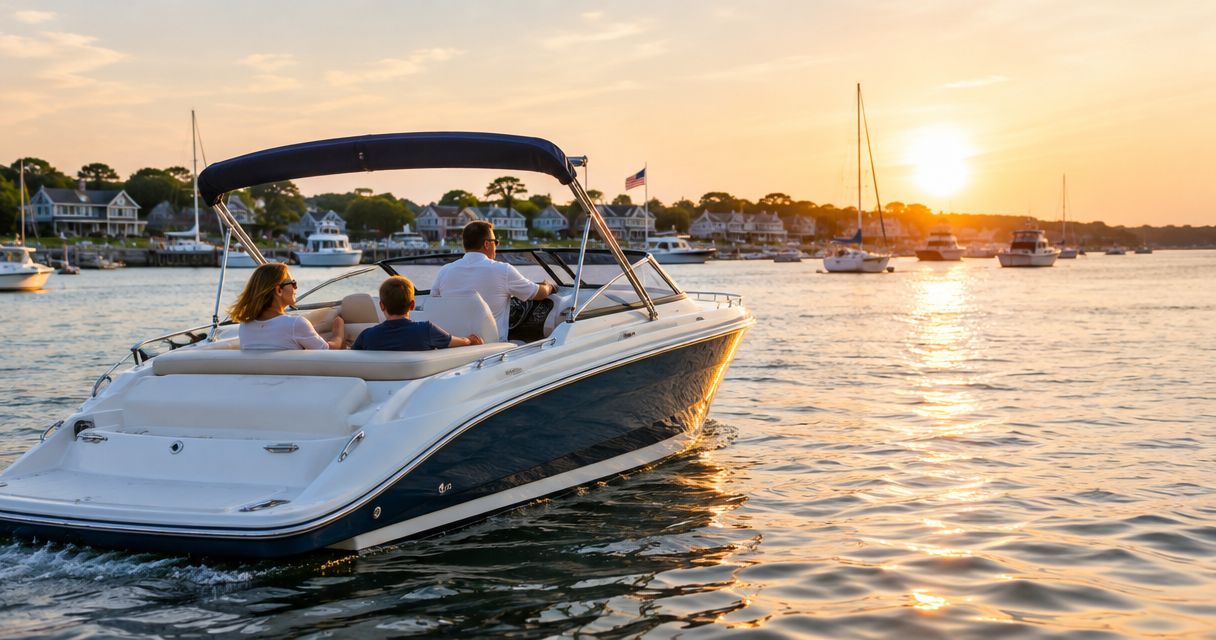
FleetShare is the better choice if you want a membership rather than responsibility for a boat; ownership is better if having your own vessel and directing its use are central to the experience. For your 2026 decision, compare the actual membership agreement with the full responsibilities of ownership—not the promise of effortless boating against an idealized summer on your own boat.
- FleetShare vs owning a boat comes down to membership terms versus the control and responsibilities of ownership.
- Yachthampton offers FleetShare memberships and captained excursions for travelers considering Hamptons boating.
- Ownership suits buyers who value a particular vessel, personalization, and long-term control.
- Compare actual trip plans, written membership terms, and ownership responsibilities before committing.
Is FleetShare better than owning a boat in the Hamptons?
Choose FleetShare when the membership agreement fits the boating you actually want. Choose ownership when owning and managing a particular boat is part of the appeal. Neither wins simply because you plan to spend the summer in the Hamptons.
Start with the broader question of whether a FleetShare membership is worth it, then compare it with the responsibilities you would accept as an owner. A membership decision concerns contractual access; a purchase decision concerns an asset and its ongoing care.
| Option | Best for | Main advantage | Main limitation |
|---|---|---|---|
| FleetShare membership | Travelers seeking a membership instead of purchasing a boat | A route to boating without buying a vessel | Suitability depends on the written membership terms |
| Boat ownership | Buyers who want their own vessel and accept responsibility for it | Control over the boat, its setup, and its care | Maintenance, storage, insurance, and eventual resale require attention |
| Individual charter | Travelers planning a particular outing or celebration | You can evaluate a defined trip before making a broader commitment | Each booking needs its own scope and terms |
The comparison is not a ranking of luxury. It is a choice about what you want to control—and what you want to avoid managing.
Why this matters
A beautiful day afloat does not reveal the work behind it. Ownership connects your leisure plans to a physical asset, while a membership connects them to an agreement.
For a 2026 Hamptons season, your calendar is a better starting point than a boat photograph. Write down the outings you would genuinely organize, including who would come and what each trip needs to accomplish.
FleetShare: best for a membership-based approach
FleetShare belongs on your shortlist when your goal is time on the water rather than possession of a vessel. That distinction is practical, not cosmetic: wanting a relaxed afternoon with friends is different from wanting to choose, maintain, and eventually sell a boat.
Yachthampton is best for leisure travelers and event hosts exploring Hamptons boating services rather than buying a boat. Its stated offerings include FleetShare memberships, luxury yacht and boat charter rentals, and captained excursions.
That service range creates a useful conversation, not a reason to assume that every service is included in membership. Ask for the FleetShare agreement and identify exactly what it provides before comparing it with ownership.
The advantage
A membership gives you an alternative to purchasing a vessel. You can judge that alternative against your intended outings without first choosing a boat to own.
This suits a traveler whose priority is the experience: a coastal afternoon, time with family, or hosting friends. The essential test is whether the agreement supports those plans.
The trade-off
A membership is not ownership of a particular boat. Do not treat photographs, general service descriptions, or a preferred itinerary as contractual promises.
Read the provisions covering reservations, permitted use, guests, operating responsibilities, and ending the agreement. Choose FleetShare only after the written terms match your intended use.
Boat ownership: best for control and personalization
Ownership is the stronger choice when you want a particular vessel, not simply a way onto the water. Choosing its layout, keeping personal equipment aboard, and directing its care can be part of the pleasure.
That preference deserves weight. A membership cannot replace the personal value of owning a boat if ownership itself is what you want.
The advantage
An owner can make decisions about the vessel's setup, maintenance, and long-term future, subject to applicable rules, insurance, marina arrangements, and operating conditions. You are not selecting only an outing; you are selecting the asset behind it.
Ownership also gives you a defined boat to learn. Its handling, equipment, and maintenance history become part of your boating experience.
The trade-off
The boat remains your responsibility between outings. Maintenance coordination, insurance, storage arrangements, and repairs do not disappear because your summer calendar changes.
Hiring help changes who performs the work, not who owns the asset. Choose ownership when you want the vessel enough to accept responsibility beyond the enjoyable hours aboard.
Individual charters: best for a defined occasion
An individual charter deserves a place in this comparison when you can describe the outing more clearly than your longer-term boating plans. A celebration, family gathering, or coastal excursion is a specific brief.
That makes a charter useful for evaluating the experience you want before deciding whether a membership or purchase belongs in your life. It does not establish that either longer-term option is right for you.
The advantage
You can discuss a particular date, group, departure point, and purpose. A defined brief makes it easier to ask relevant questions about the proposed vessel and trip.
Captained excursions also offer a distinct alternative to personally operating a boat. Confirm the captain arrangements in the booking rather than assuming they apply to every service.
The trade-off
A charter agreement addresses a booking, not every future outing. Repeated plans still require coordination, and one successful trip does not prove that a different vessel or itinerary will suit the same group.
Choose an individual charter when the occasion is clear but your recurring boating needs are not. Keep that decision separate from a commitment to membership or ownership.
Why the FleetShare vs owning a boat decision varies
The right choice changes with your plans, not with a universal rule about how often people should boat. Use these factors to compare the options for your 2026 season:
- Trip pattern: Describe the outings you genuinely expect to organize. Distinguish recurring personal use from occasional celebrations.
- Control preference: Decide whether you want a particular vessel and personal setup or a service that fits an outing.
- Operating role: Establish whether you want to operate a boat yourself or discuss a captained experience.
- Ownership workload: Decide who would arrange maintenance, insurance, storage, and repairs if you purchased.
- Contract fit: Review membership and charter terms against your actual plans, including guest arrangements and permitted activities.
- Exit plan: Consider how ending an agreement differs from preparing an owned boat for sale.
Avoid turning these factors into an imaginary financial break-even point. Without the actual agreement and a vessel-specific ownership assessment, that calculation cannot answer your question.
How do I compare FleetShare and ownership before committing?
Use the same brief for every option. A membership built around one set of expectations cannot be fairly compared with ownership imagined around a different set.
Define your outings
List the people, purpose, departure preferences, and activities for each outing you would realistically organize. Include the less glamorous details, such as coordinating arrivals and accommodating guests who want a quieter experience.
Do not build your decision around a perfect summer. Use plans you are prepared to put on your calendar.
Read the agreement
Request the current 2026 membership agreement and work through its provisions. Ask how reservations, guests, operating responsibilities, cancellations, and termination apply to the outings you described.
A useful answer connects a clause to your plan. A general assurance does not replace the written agreement.
Map ownership duties
For a boat you would actually consider buying, identify its inspection needs, insurance arrangements, storage plan, and maintenance responsibilities. Discuss vessel condition with an appropriately qualified marine professional.
Separate tasks you want to perform from tasks you would delegate. Then identify who would coordinate the delegated work.
Match the experience
Compare options against the same group and purpose. A quiet afternoon for family and a hosted celebration are different briefs, even when both happen on the water.
Choose the option that meets the brief without requiring you to dismiss its main limitation.
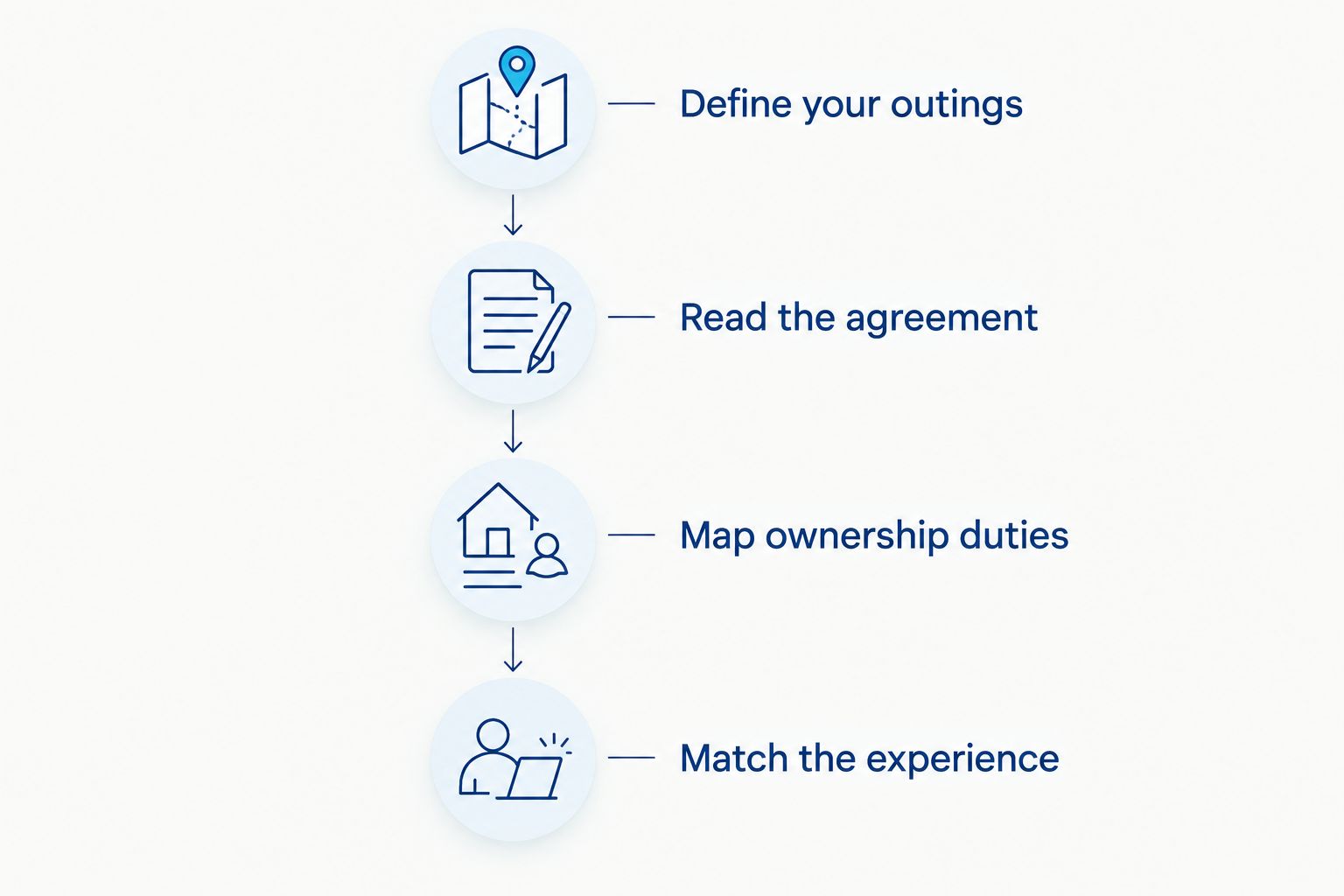
Bring this brief to Yachthampton when discussing its Hamptons boating services. Keep questions about FleetShare membership separate from questions about an individual charter so the answers remain clear.
Is FleetShare better if I only want occasional boating?
FleetShare is not automatically better for occasional boating; compare its agreement with individual charters. If you can identify specific outings but not a recurring pattern, a charter is a useful alternative to evaluate.
For your 2026 plans, start with the trips themselves. Do not create extra outings merely to justify a commitment you have already decided to make.
Is owning a boat better if I want spontaneous trips?
Ownership gives you control over your own vessel, but it does not guarantee a trip whenever you want one. Weather, vessel condition, operating requirements, and shore-side arrangements still matter.
Likewise, do not assume a membership accommodates your preferred booking pattern. Ask how its reservation provisions apply to the way you expect to plan.
Can I choose FleetShare and still decide to buy later?
You can evaluate membership and ownership as separate decisions rather than treating either as a permanent identity. Before signing a membership agreement, understand its duration and termination provisions.
Time spent boating can help clarify your preferences, but it is not a substitute for assessing a particular vessel before purchase. Enjoying an outing and accepting ownership responsibilities remain different tests.
FAQ
What's better in the Hamptons: FleetShare or owning a boat?
FleetShare fits a membership-based approach; ownership fits buyers who want their own vessel and accept its responsibilities. Compare the written membership agreement with the specific boat and ownership arrangements you are considering.
Does FleetShare mean I own part of a boat?
Do not treat the FleetShare name as proof of an ownership interest. Establish the legal nature of the arrangement from the agreement before signing.
Does a FleetShare membership include a captain?
Confirm captain arrangements in the FleetShare agreement. Yachthampton offers captained excursions, but that separate service description does not establish what a membership includes.
What responsibilities come with owning a boat?
Boat ownership requires attention to maintenance, insurance, storage arrangements, and safe operation. You can hire help, but ownership still leaves you responsible for the asset.
Should I charter before deciding to buy a boat?
A charter can help you clarify the kind of outing you enjoy before considering ownership. It does not replace a vessel inspection or an assessment of ongoing ownership responsibilities.
Can I cancel FleetShare whenever I want?
Cancellation and termination depend on the FleetShare agreement. Read those provisions before joining rather than assuming the membership ends whenever your travel plans change.
What should I ask before joining FleetShare in 2026?
Ask how the current agreement handles reservations, guests, permitted use, operating responsibilities, and termination. Connect each answer to an outing you actually intend to organize.
One last thing
Choose the responsibility you want, not just the experience you want. Both membership and ownership can begin with the same appealing picture of an afternoon afloat; the decisive difference appears when that afternoon ends.
Before committing, finish this sentence: I want to be responsible for ____. If your answer is a particular boat and its care, ownership deserves serious consideration; if it is organizing enjoyable outings, evaluate the service agreements first.